If you’ve ever dragged a pile of branches to the curb and wondered, “Will they actually take this?” — you’re not alone.
Yard waste pickup rules in the US are one of the most misunderstood parts of local waste collection. The confusion usually comes from one simple fact: there is no single national rulebook. What’s allowed in one city might be rejected in the next.
This guide breaks down not just what’s allowed and what’s not, but why these rules exist, how they affect you in real life, and what to do when things aren’t clear. By the end, you’ll know exactly how to handle yard waste without second-guessing or risking a missed pickup.
What Counts as Yard Waste in the US?
At a basic level, yard waste refers to organic material generated from maintaining your outdoor space. But even here, things aren’t as straightforward as they seem.
Most cities include:
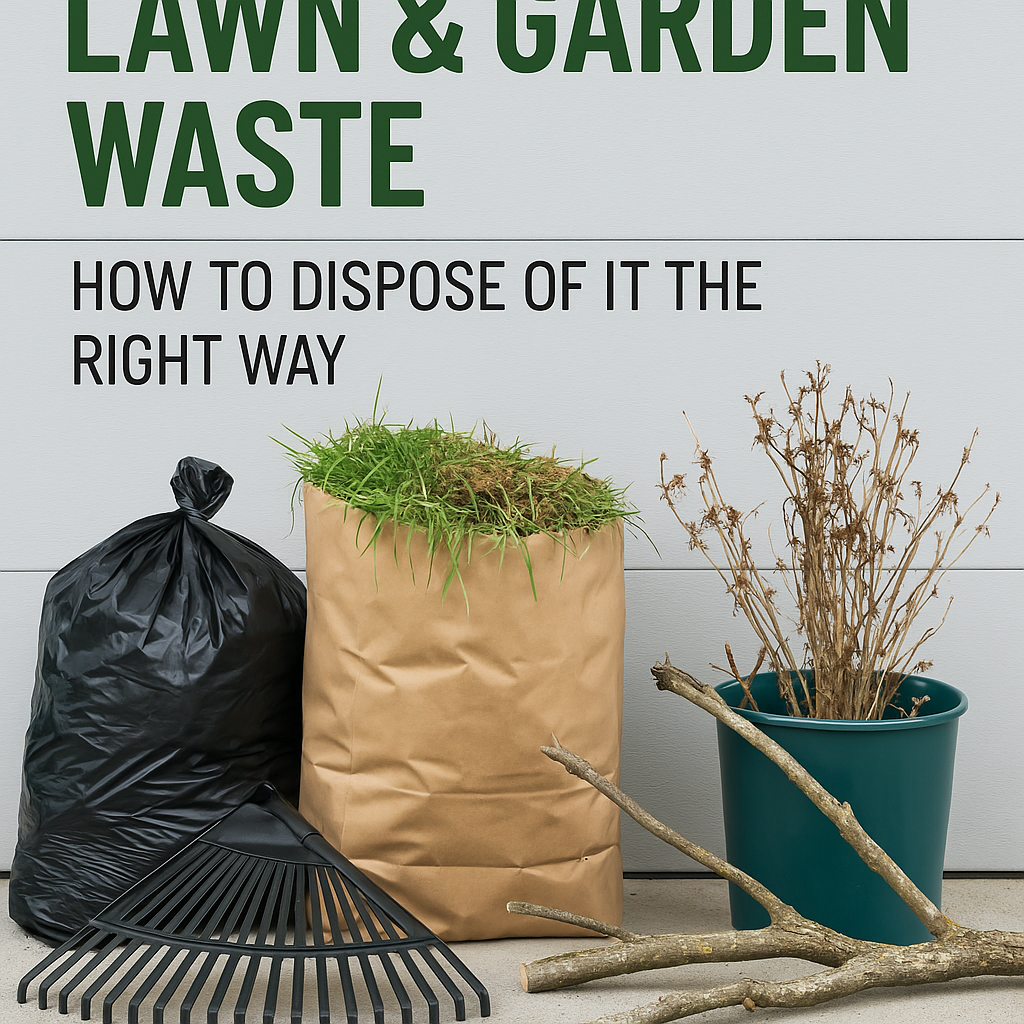
- Grass clippings
- Leaves
- Small branches and twigs
- Garden plants and weeds
- Shrub trimmings
However, the confusion starts when you get into gray areas.
For example:
- Is a tree stump yard waste? → Usually no
- Are large branches acceptable? → Sometimes, but with size limits
- What about dirt or rocks? → Almost always not allowed
Why this matters:
Waste departments aren’t just collecting and dumping this material. In many cities, yard waste is composted or processed into mulch, which means contamination (like plastic, dirt, or treated wood) can ruin entire batches.
Why Yard Waste Rules Exist (And Why They’re Strict)
It’s easy to think these rules are arbitrary, but they’re actually tied to logistics, safety, and environmental regulations.
1. Composting Requirements
Many cities convert yard waste into compost. If the load contains non-organic material, it can:
- Damage processing equipment
- Contaminate compost used in agriculture
- Increase costs for disposal
2. Collection Efficiency
Sanitation crews follow tight routes. If your yard waste:
- Isn’t bundled properly
- Exceeds weight limits
- Is scattered loosely
…it slows down collection for the entire neighborhood.
3. Worker Safety
Large, heavy, or sharp items (like thick branches or stumps) can:
- Cause injuries
- Require special equipment
- Be rejected on the spot
Bottom line: These rules aren’t just bureaucratic—they’re designed to keep the system working efficiently.
What’s Usually Allowed (With Conditions)
In most US cities, yard waste is accepted — but only if you follow specific preparation rules.
Bagged Yard Waste
- Must be in paper yard waste bags (not plastic)
- Bags should not exceed weight limits (typically 30–50 lbs)
- No mixing with household trash
Bundled Branches
- Tied securely with string or twine
- Cut to a maximum length (often 3–4 feet)
- Diameter usually limited (around 2–4 inches per branch)
Loose Leaves (Seasonal)
- Allowed in some cities during fall
- Often collected through special leaf pickup programs
- May require raking into designated areas (like curb lines)
What’s NOT Allowed (And Why People Get This Wrong)
This is where most problems happen.
Commonly Rejected Items:
- Tree stumps or large logs
- Dirt, sod, or rocks
- Treated or painted wood
- Construction debris
- Food waste (in most standard yard waste programs)
The Big Misunderstanding:
Many people assume “natural = acceptable”.
But that’s not how the system works.
For example:
- A pile of soil is natural → Still not yard waste
- A large tree trunk is natural → Still not accepted in regular pickup
These items usually require:
- Special bulk pickup
- Drop-off at designated facilities
- Private hauling services
Why Yard Waste Rules Change Depending on the City
This is one of the biggest sources of confusion—and one of the most important things to understand.
Factors That Affect Local Rules:
1. Climate
- Northern cities: heavy leaf collection programs in fall
- Warmer regions: year-round yard waste pickup
2. Infrastructure
Some cities have:
- Composting facilities → more flexible rules
- Limited processing → stricter acceptance policies
3. Population Density
Urban areas often have:
- Stricter limits
- Less frequent pickup
- More reliance on scheduled services
Suburban areas may allow:
- Larger volumes
- More frequent collection
Key takeaway:
Two cities can look similar but operate completely differently behind the scenes.
Real-Life Situations That Cause Confusion
Let’s look at scenarios people deal with all the time:
“I trimmed a tree — now I have large branches”
If branches exceed size limits:
- They won’t be picked up
- You may need to cut them down further
- Or schedule a bulk pickup
“I filled plastic bags with leaves”
Most cities will not collect plastic bags, even if they’re full of yard waste.
Why? Because plastic contaminates composting systems.
“My yard waste wasn’t picked up”
This usually happens because:
- It wasn’t prepared correctly
- It exceeded limits
- It was placed out too late
Before assuming it was missed, check:
- Size restrictions
- Bag type
- Placement timing
What Most People Get Wrong About Yard Waste Pickup
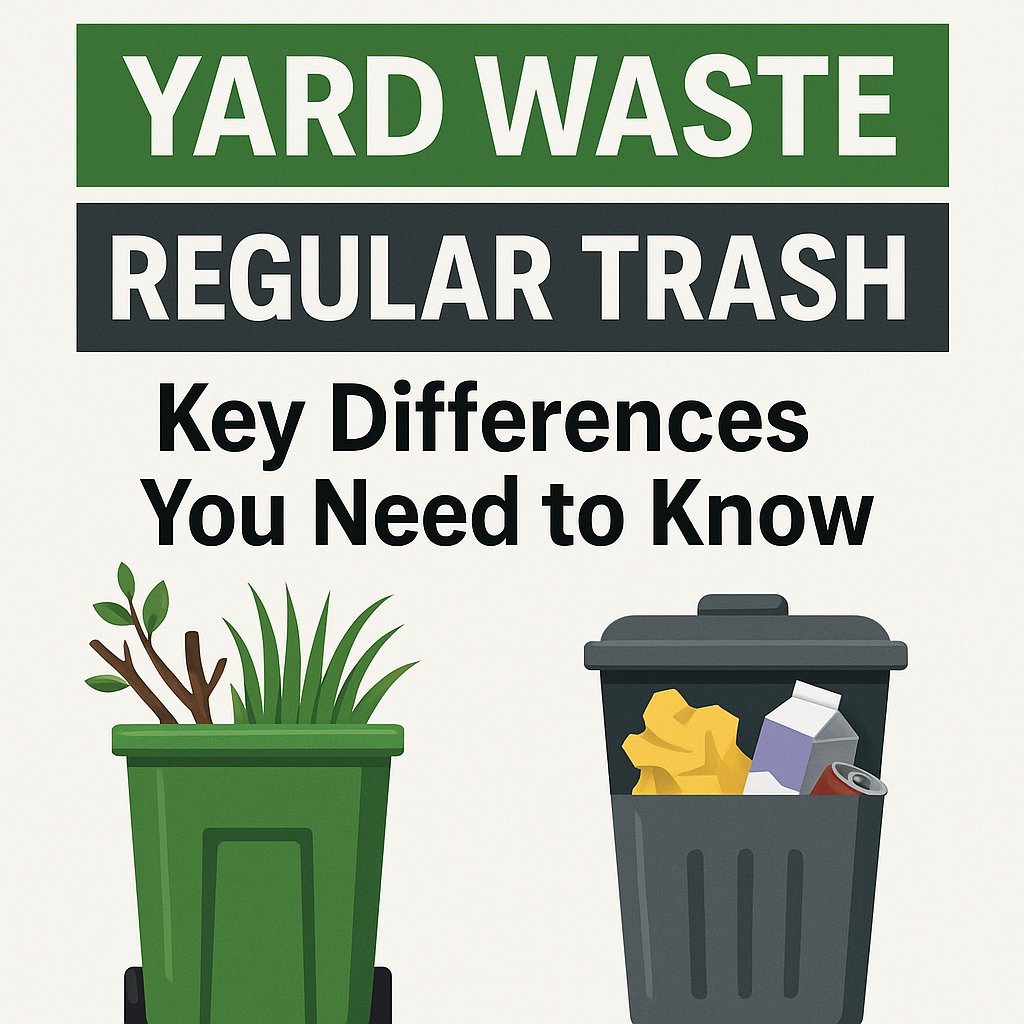
1. Thinking It Works Like Regular Trash
It doesn’t.
Yard waste is often processed separately, which means:
- Different trucks
- Different schedules
- Different rules
2. Assuming “They’ll Take It Anyway”
They won’t.
Sanitation crews are trained to:
- Skip non-compliant items
- Leave tags or notices
- Move on quickly
3. Ignoring Weight Limits
Even if everything looks fine, overweight bags are one of the top reasons for rejection.
How to Make Sure Your Yard Waste Gets Picked Up Every Time
If you want zero issues, follow this simple checklist:
✔ Use the Right Bags
Always use:
- Paper yard waste bags
- Approved containers (if your city allows bins)
✔ Bundle Properly
- Tie branches tightly
- Keep within length and diameter limits
✔ Respect Weight Limits
- Don’t overfill bags
- Keep them liftable by hand
✔ Place It Correctly
- At the curb
- Not blocking sidewalks or roads
- Before the cutoff time
✔ Check Local Guidelines (Always)
Even if you’ve done it before, rules can change seasonally.
Things No One Explains Clearly (But You Should Know)
Yard Waste Pickup Is Often Seasonal
Many cities:
- Increase services in fall
- Reduce or pause in winter
Holidays Can Delay Yard Waste Collection
Even if trash is picked up, yard waste might:
- Be delayed
- Be skipped for the week
“Unlimited Yard Waste” Is Rarely Truly Unlimited
Even if a city says unlimited:
- There are still preparation rules
- Volume may be indirectly limited
When You Need an Alternative Solution
Sometimes, regular yard waste pickup just isn’t enough.
You may need alternatives if you have:
- Large landscaping projects
- Tree removals
- Heavy debris
Options Include:
- Bulk pickup scheduling
- City drop-off centers
- Private hauling services
Knowing when to switch approaches can save you time and frustration.
FAQ – Yard Waste Pickup Rules in the US
What happens if my yard waste isn’t collected?
In most cases, it’s not a random miss—it’s due to non-compliance. Check if your items were properly bagged, within size limits, and placed out on time. Many cities will leave a notice explaining the issue.
Can I mix yard waste with regular trash?
No. Yard waste is typically processed separately, often for composting. Mixing it with regular trash can result in both being rejected.
Are plastic bags ever allowed for yard waste?
Rarely. Most cities prohibit plastic bags because they contaminate composting systems. Paper bags or approved containers are the standard.
Do all cities offer yard waste pickup year-round?
No. Some cities only offer seasonal programs, especially in colder regions. Others provide weekly service year-round. Always check your local schedule.
What should I do with large branches or tree trunks?
If they exceed size limits, you’ll likely need to:
- Cut them down into smaller pieces
- Schedule a bulk pickup
- Or take them to a designated drop-off site
Is yard waste pickup free everywhere?
Not always. Some cities include it in municipal services, while others charge:
- Per bag
- Per pickup
- Or through subscription programs
Why are my bags being left behind even though they look fine?
This is often due to weight. Even if a bag looks normal, if it’s too heavy for manual collection, crews will skip it.
Final Thoughts
Yard waste pickup rules in the US aren’t complicated once you understand the logic behind them—but until you do, they can feel inconsistent and frustrating.
The key is to stop thinking of yard waste like regular trash. It’s a separate system with its own rules, processes, and limitations.
If you follow the basic principles—proper preparation, correct materials, and local guidelines—you’ll avoid almost all common issues.
And more importantly, you’ll save yourself from that all-too-familiar moment of looking at the curb and realizing… your pile is still there.