How to Recycle Properly in the US (Rules, Bins & Common Mistakes)
Recycling in the US sounds simple on paper: separate your waste, put it in the right bin, and you’re done.
In reality, it’s one of the most misunderstood everyday systems people interact with.
If you’ve ever asked yourself:
- “Can I recycle this?”
- “Does it need to be cleaned?”
- “Why did they leave my bin full?”
…you’re not alone.
This guide goes far beyond basic instructions. It explains how to recycle properly in the US, why the rules exist, what people constantly get wrong, and how to avoid mistakes that can ruin entire recycling loads.
What Recycling Actually Means (And Why It’s Not As Simple As It Looks)
Most people think recycling is just about putting items in the right bin.
But behind the scenes, recycling is a highly controlled sorting and processing system.
Here’s what actually happens:
- Your recycling is collected
- It goes to a Materials Recovery Facility (MRF)
- Machines and workers sort materials
- Clean, usable materials are sent for processing
- Contaminated materials are rejected (and often landfilled)
Why this matters to you
If your recycling is:
- Dirty
- Mixed incorrectly
- Contains non-recyclable items
…it can cause:
- Entire batches to be rejected
- Higher costs for cities
- More waste ending up in landfills
Key insight:
Recycling only works if what you put in the bin is actually recyclable and properly prepared.
The Main Recycling Bins in the US (And What They’re For)
While systems vary by city, most US recycling programs follow a similar structure.
Blue Bin – Mixed Recycling (Most Common)
This is the standard bin in most cities.
Typically includes:
- Paper and cardboard
- Plastic containers (bottles, jugs)
- Aluminum cans
- Steel/tin cans
But here’s the catch:
👉 Not all plastics are accepted
👉 Not all paper is recyclable
👉 Not all items that look recyclable actually are
Green Bin – Organics (In Some Cities)
In cities with composting programs, this bin is used for:
- Food scraps
- Yard waste
- Organic material
This is separate from recycling—and mixing the two is a common mistake.
Black/Grey Bin – Trash
Anything that cannot be recycled or composted goes here.
Understanding what belongs in trash is just as important as knowing what belongs in recycling.
What You Can Recycle (Most of the Time)
While rules vary, these items are widely accepted:
Paper & Cardboard
- Newspapers
- Mail and office paper
- Cardboard boxes (flattened)
Plastics (Limited)
- Bottles (water, soda)
- Jugs (milk, detergent)
- Containers with narrow openings
Metals
- Aluminum cans
- Steel/tin cans
Glass (City-dependent)
- Bottles and jars
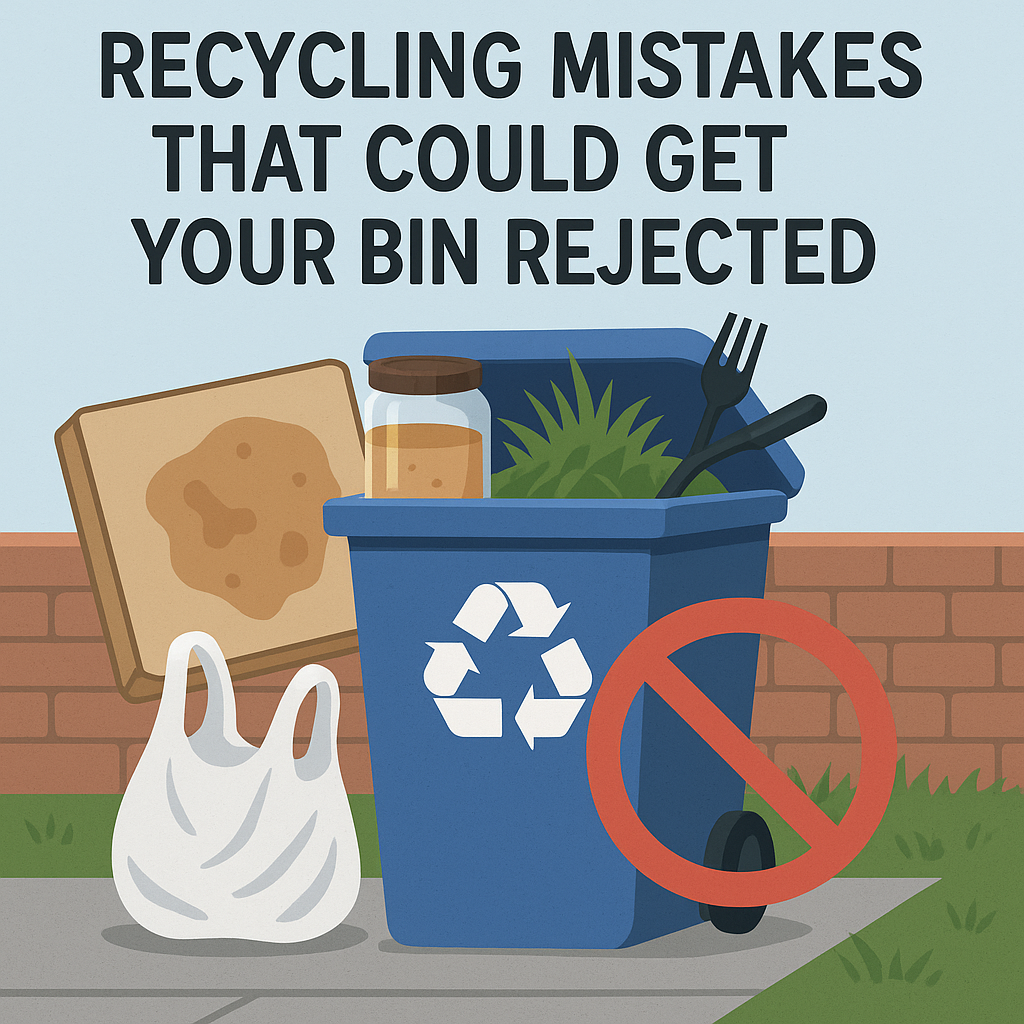
What You CANNOT Recycle (Even If It Looks Recyclable)
This is where most people go wrong.
Common non-recyclables:
- Plastic bags
- Greasy pizza boxes
- Styrofoam
- Coffee cups (lined with plastic)
- Food-contaminated containers
Why these are rejected
Even small amounts of contamination can:
- Jam sorting machines
- Ruin clean materials
- Increase processing costs
What Most People Get Wrong About Recycling
1. “If in doubt, recycle it”
This is one of the worst habits.
It’s called “wishcycling”—and it does more harm than good.
Throwing uncertain items into recycling:
- Increases contamination
- Leads to entire loads being rejected
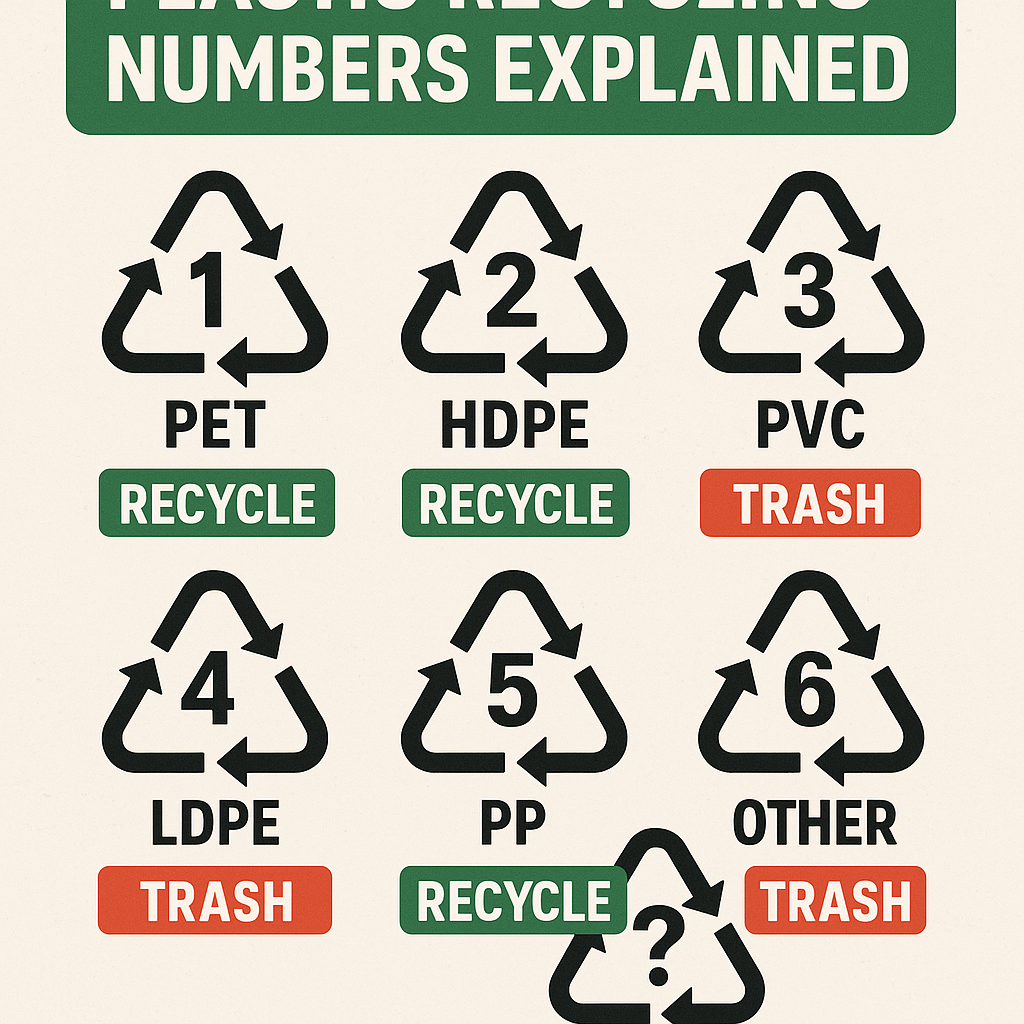
2. “Everything with a recycling symbol is recyclable”
Not true.
The symbol only indicates the type of plastic—not whether your city accepts it.
3. “Items don’t need to be cleaned”
They don’t need to be spotless—but they must be empty and reasonably clean.
Leftover food:
- Attracts pests
- Contaminates other recyclables
Real-Life Situations That Cause Confusion
“Can I recycle a pizza box?”
- Clean part → Yes
- Greasy part → No
“Do I need to remove caps?”
- Often yes, but varies by city
- Loose caps can get lost in sorting
“What about plastic bags?”
- Never in curbside recycling
- Must be taken to special drop-off locations
“Can I recycle takeout containers?”
- Only if clean and accepted locally
- Many are rejected due to contamination
Why Recycling Rules Change Depending on the City
This is one of the biggest sources of confusion.
Factors that affect rules:
1. Local processing facilities
Not all cities have the same equipment.
2. Market demand
Recycling depends on whether materials can be sold and reused.
3. Costs and logistics
Some materials are technically recyclable—but too expensive to process.
Important:
Just because something is recyclable somewhere doesn’t mean it’s recyclable where you live.
How to Recycle Properly in the US (Step-by-Step)
If you want to do it right every time, follow this:
✔ Step 1: Know your local rules
Always check your city’s official guidelines.
✔ Step 2: Empty and lightly rinse
No need to scrub—just remove food residue.
✔ Step 3: Keep materials loose
Do NOT bag recyclables.
✔ Step 4: Separate correctly
Don’t mix trash, recycling, and organics.
✔ Step 5: When in doubt, throw it out
Better to send one item to landfill than contaminate an entire batch.
Things No One Explains Clearly (But Matter a Lot)
Recycling is not about perfection—it’s about consistency
Small habits matter more than occasional “perfect sorting.”
Contamination is the biggest problem
Even 10–20% contamination can make recycling programs ineffective.
Recycling systems are evolving
Rules can change as:
- Technology improves
- Markets shift
- Cities update policies
When Recycling Isn’t the Best Option
This might surprise you.
Sometimes, recycling isn’t the most effective solution.
Better alternatives include:
- Reducing consumption
- Reusing items
- Choosing sustainable products
FAQ – How to Recycle Properly in the US
Do I need to wash everything before recycling?
No, but items should be empty and reasonably clean. Food residue can contaminate other materials.
Can I recycle plastic bags in my curbside bin?
No. Plastic bags must be taken to designated drop-off locations.
What happens if I put the wrong item in recycling?
It can contaminate the load, potentially causing recyclable materials to be sent to landfill.
Are all plastics recyclable?
No. Only certain types are accepted, and it varies by city.
Should I leave caps on bottles?
It depends on your local rules. Some cities prefer caps on, others require them removed.
Why was my recycling bin not collected?
Common reasons include:
- Contamination
- Improper sorting
- Non-accepted materials
Final Thoughts
Learning how to recycle properly in the US isn’t about memorizing a long list of rules—it’s about understanding the system behind it.
Once you realize:
- Not everything recyclable is accepted
- Clean materials matter
- Local rules are key
…everything becomes much easier.
Recycling done right doesn’t just help the environment—it makes the entire system work better for everyone.
And that’s the difference between trying to recycle… and actually doing it properly.