Introduction
Recycling symbols appear on almost every plastic container, but many people misunderstand what they actually mean. The presence of a recycling symbol does not always mean an item is recyclable in your city.
This guide explains recycling symbols, what the numbers inside the triangle represent, and how to use this information to recycle correctly. Understanding recycling symbols is an important part of learning how to recycle properly in the US, since local rules determine what actually gets recycled.
What Are Recycling Symbols?
Recycling symbols are identification codes used to indicate the type of material an item is made from. The most common symbol is a triangle with a number inside, often found on plastic containers.
These symbols were created to help manufacturers and recycling facilities sort materials—not to guarantee recyclability everywhere.
What Do the Numbers on Recycling Symbols Mean?
The number inside the recycling symbol identifies the resin type of plastic. There are seven main plastic recycling numbers.
Understanding these numbers helps explain why some plastics are widely recycled while others are not.
Recycling Symbol #1 (PET or PETE)
Plastic #1 is commonly used for:
- Water bottles
- Soda bottles
- Food containers
This is one of the most widely recycled plastics in the US and is accepted in most curbside programs.
Recycling Symbol #2 (HDPE)
Plastic #2 is used for:
- Milk jugs
- Detergent bottles
- Shampoo containers
Like #1, HDPE is widely accepted and commonly recycled.
Recycling Symbol #3 (PVC)
Plastic #3 is found in:
- Pipes
- Packaging
- Some food wrap
PVC is rarely accepted curbside due to processing difficulties and environmental concerns.
Recycling Symbol #4 (LDPE)
Plastic #4 includes:
- Plastic bags
- Bread bags
- Squeeze bottles
Most curbside programs do not accept LDPE, but many grocery stores offer drop-off recycling for plastic bags.
Recycling Symbol #5 (PP)
Plastic #5 is used for:
- Yogurt containers
- Food tubs
- Bottle caps
Acceptance varies by city, making it important to check local recycling rules.
Recycling Symbol #6 (PS)
Plastic #6 includes:
- Styrofoam
- Disposable cups
- Takeout containers
Polystyrene is not accepted in most curbside recycling programs.
Recycling Symbol #7 (Other)
Plastic #7 is a catch-all category that includes:
- Mixed plastics
- Bioplastics
- Specialty materials
These plastics are rarely recyclable curbside.
Why Recycling Symbols Can Be Misleading
One of the biggest recycling problems is assuming that a recycling symbol means an item belongs in the recycling bin.
In reality:
- Symbols identify material type
- Cities decide what is accepted
- Recycling rules vary widely
This misunderstanding leads to contamination, which is why knowing how to recycle properly in the US requires more than just reading symbols.
How Recycling Symbols Affect Recycling Bins
Placing non-accepted plastics in the recycling bin can:
- Contaminate loads
- Cause bins to be rejected
- Send recyclable items to landfill
Understanding recycling symbols helps reduce these issues.
Recycling Symbols vs Local Recycling Rules
Recycling symbols provide general information, but local rules always override them. Cities base acceptance on:
- Available facilities
- Market demand
- Processing costs
For a full explanation of local recycling rules and accepted materials, it helps to understand how to recycle properly in the US overall.
Common Mistakes People Make with Recycling Symbols
- Recycling all numbered plastics
- Recycling plastic bags curbside
- Recycling dirty containers
- Recycling Styrofoam
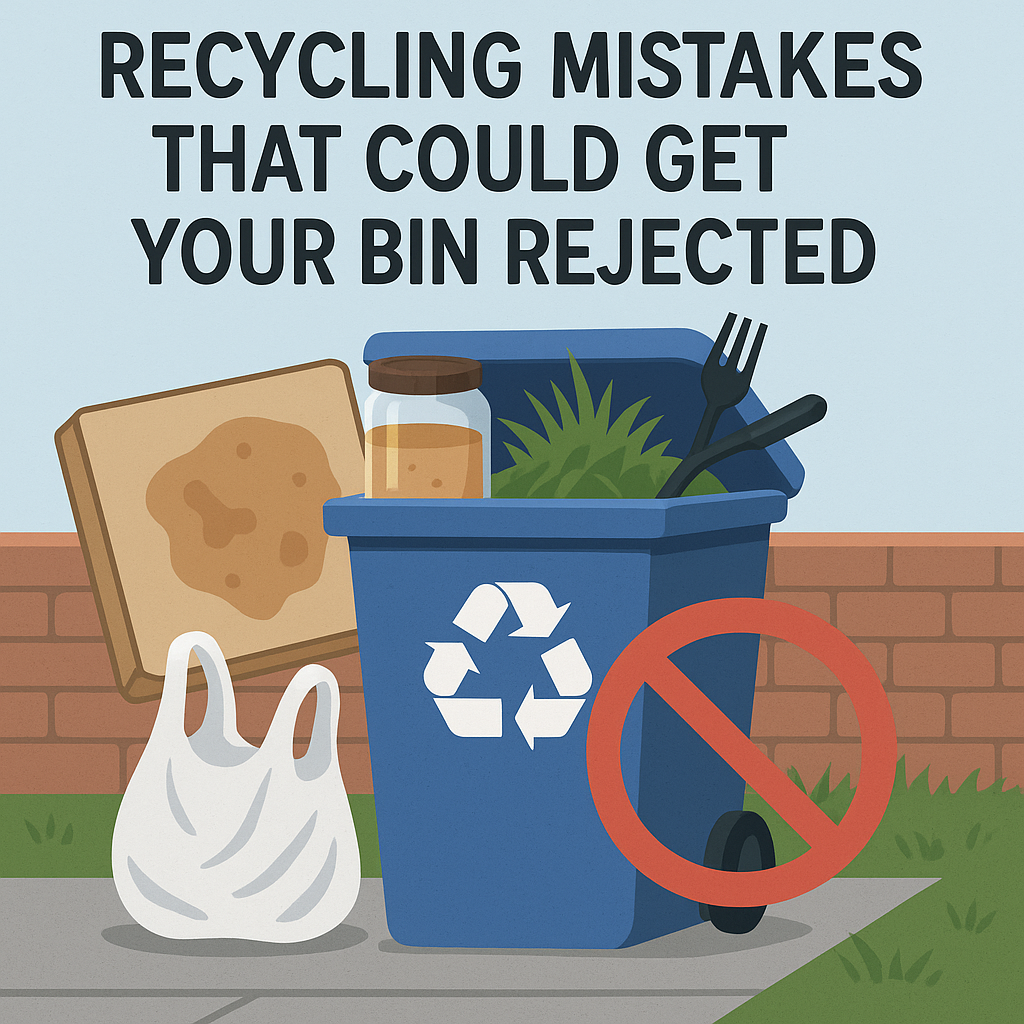
These mistakes are among the most common causes of rejected recycling bins.
How to Use Recycling Symbols the Right Way
To use recycling symbols correctly:
- Identify the plastic number
- Check your city’s accepted materials
- Prepare the item properly
- When in doubt, throw it out
This approach helps recycle efficiently and responsibly.
Recycling Symbols for Non-Plastic Materials
Not all recycling symbols refer to plastic. Some symbols apply to:
- Paper products
- Aluminum cans
- Glass containers
These materials usually do not have number codes and follow different recycling rules.
How Recycling Symbols Fit into the Bigger Recycling System
Recycling symbols are just one piece of the process. Collection rules, sorting technology, and contamination control all affect recycling outcomes.
Understanding the system as a whole—starting with how to recycle properly in the US—leads to better recycling habits.
Frequently Asked Questions
Does a recycling symbol mean something is recyclable?
Not always. It depends on local rules.
Which plastic numbers are most recyclable?
#1 and #2 are most widely accepted.
Are plastic bags recyclable curbside?
Usually not.
Why do recycling rules change by city?
Because facilities and costs differ.
Where can I check local recycling rules?
On your city’s sanitation website.