If you’ve ever tried to get rid of a mattress, an old couch, or a broken dresser, you’ve probably asked yourself:
“Do I just leave this on the curb… or is there a process?”
Bulk trash pickup in the US is one of the least understood parts of waste collection—and one of the easiest ways to get it wrong.
Unlike regular trash, bulk items don’t follow a simple weekly routine. They often require special scheduling, strict rules, and proper preparation, and if you miss any of those steps, your items can sit outside for days (or even weeks) without being collected.
This guide breaks everything down clearly: what bulk trash actually is, what’s accepted, how scheduling works, and what most people get wrong—so you can handle it properly the first time.
What Is Bulk Trash Pickup (And Why It’s Different)
Bulk trash refers to large items that don’t fit inside your regular trash bin.
This typically includes:
- Furniture (sofas, chairs, tables)
- Mattresses and box springs
- Large household items
- Carpets and rugs
- Non-hazardous bulky debris
Why bulk trash is handled differently
These items:
- Don’t fit in standard collection trucks
- Require manual handling or special equipment
- Take more time per stop
That’s why cities separate bulk pickup from regular trash collection.
Key insight:
Bulk trash isn’t just “bigger trash”—it’s a completely different system with its own rules.
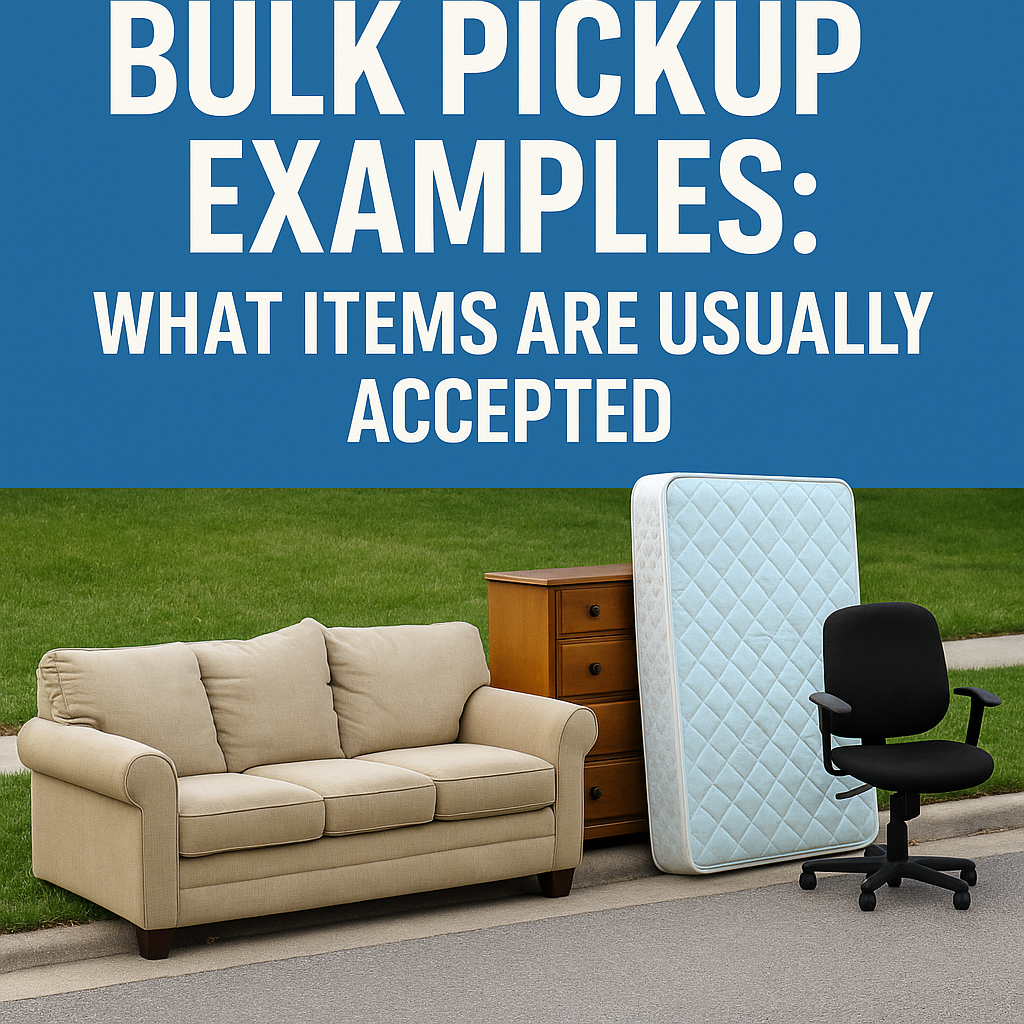
What Items Are Usually Accepted
Most US cities accept a similar range of bulk items, but always with conditions.
Commonly accepted bulk items:
- Couches and furniture
- Mattresses (sometimes limited per pickup)
- Appliances (non-hazardous)
- Large plastic items
- Wooden furniture
Important details most people miss:
- Items often need to be placed neatly at the curb
- Some cities limit the number of items per pickup
- Certain materials (like metal appliances) may be collected separately
What Is NOT Accepted (And Why People Get Confused)
This is where most mistakes happen.
Commonly rejected items:
- Hazardous waste (paint, chemicals)
- Construction debris (concrete, bricks, drywall)
- Car parts and tires
- Dirt, rocks, or heavy materials
- Items containing refrigerants (unless scheduled properly)
The big misunderstanding
People assume:
👉 “If it’s big, it’s bulk trash”
But that’s not true.
Many items fall into completely different disposal categories, like:
- Construction waste
- Hazardous materials
- Special recycling programs
How Bulk Trash Pickup Works (Scheduling Explained)
This is the part that varies the most—and causes the most confusion.
There are two main systems:
1. Scheduled Bulk Pickup (On-Demand)
You must:
- Request a pickup online or by phone
- Select a date
- Follow preparation guidelines
This is common in:
- Large cities
- Areas with private waste providers
2. Set Bulk Pickup Days
Some cities offer:
- Monthly or quarterly bulk pickup
- Specific weeks assigned to neighborhoods
You don’t need to schedule—but you must:
- Place items out on the correct day
- Follow volume limits
Why cities use these systems
Bulk collection is resource-heavy.
Scheduling helps:
- Control volume
- Optimize routes
- Avoid overflow
Real-Life Situations That Cause Problems
“I left my couch out and it’s still there”
Most likely:
- You didn’t schedule pickup
- It’s not your area’s bulk week
- The item isn’t accepted
“They took some items but left others”
This usually happens because:
- Certain items require special handling
- Some exceeded limits
- Some were not accepted
“I put everything out and nothing was collected”
Common causes:
- Wrong day
- No appointment scheduled
- Items placed incorrectly
What Most People Get Wrong About Bulk Trash Pickup
1. Thinking it’s automatic
Bulk pickup is rarely automatic unless your city has fixed collection days.
2. Not checking item limits
Many cities restrict:
- Number of items
- Total volume
- Pickup frequency
3. Mixing bulk with regular trash
This can lead to:
- Entire pickup being skipped
- Items being left behind
Why Bulk Trash Rules Change by City
There is no universal system in the US.
Key factors:
1. Budget and resources
Bulk pickup is expensive, so cities manage it differently.
2. Population density
Urban areas:
- More restrictions
- More scheduling
Suburban areas:
- More flexibility
3. Disposal infrastructure
Some cities have:
- Recycling programs for furniture
- Specialized processing
Others rely on landfills.
How to Prepare Bulk Trash for Pickup (Step-by-Step)
If you want a smooth pickup, follow this:
✔ Step 1: Confirm if scheduling is required
Never assume.
✔ Step 2: Check accepted items
Make sure your items qualify as bulk trash.
✔ Step 3: Break down items if needed
- Disassemble large furniture
- Cut oversized materials
✔ Step 4: Place items correctly
- At the curb
- Neatly arranged
- Not blocking sidewalks
✔ Step 5: Follow timing rules
- Usually placed out the night before
- Not too early (some cities fine for early placement)
Things No One Explains Clearly (But You Should Know)
Bulk pickup is often limited per year
Some cities allow:
- 2–4 pickups annually
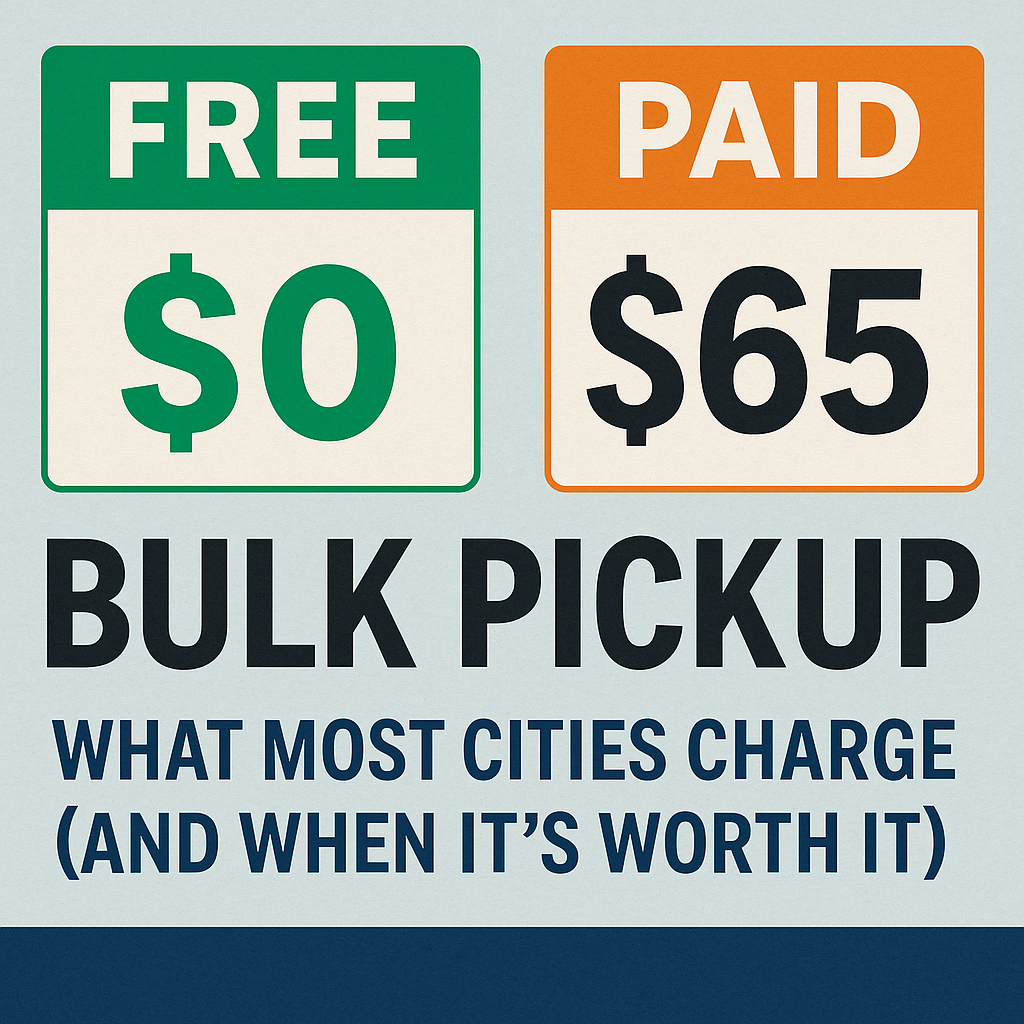
- Additional pickups for a fee
Items may be collected by different trucks
You might see:
- One truck for furniture
- Another for appliances
Weather and volume can delay pickup
After:
- Holidays
- Moving seasons
- Storms
Delays are common.
When You Need an Alternative Solution
Bulk pickup isn’t always enough.
You may need alternatives if:
- You have large renovation debris
- You’re clearing out an entire home
- Items exceed limits
Options:
- Roll-off dumpsters
- Private junk removal services
- City drop-off centers
FAQ – Bulk Trash Pickup in the US
Do I need to schedule bulk trash pickup?
In many cities, yes. Others have fixed collection days. Always check your local system.
How many items can I put out?
It varies, but most cities limit the number of items per pickup to prevent overload.
Can I leave bulk items out anytime?
No. Early placement can result in fines or removal delays.
Why did they only take some of my items?
Some items may not be accepted or require separate collection.
Are appliances included in bulk pickup?
Sometimes, but items with refrigerants often require special scheduling.
What happens if my bulk trash isn’t picked up?
Check if:
- You scheduled correctly
- Items were accepted
- You followed guidelines
Then contact your local provider.
Final Thoughts
Bulk trash pickup in the US is one of those systems that seems simple—until you actually need it.
The key is understanding that:
- It’s not automatic
- It’s not the same everywhere
- It requires preparation
Once you understand how it works, you avoid the most common mistakes—and make the entire process smooth and stress-free.
Because nothing is worse than dragging a heavy couch outside… and watching it sit there for a week.