
Introduction
Yard waste pickup rules can be confusing, especially because they vary by city, season, and type of material. Leaves may be accepted one month but rejected the next, and branches often require special preparation.
This guide explains yard waste pickup rules in the US, including what counts as yard waste, what is usually allowed or prohibited, how items must be prepared, and how seasonal changes affect collection.
Table of Contents
What Is Considered Yard Waste in the US?
Yard waste generally refers to organic material generated from lawn and garden maintenance.
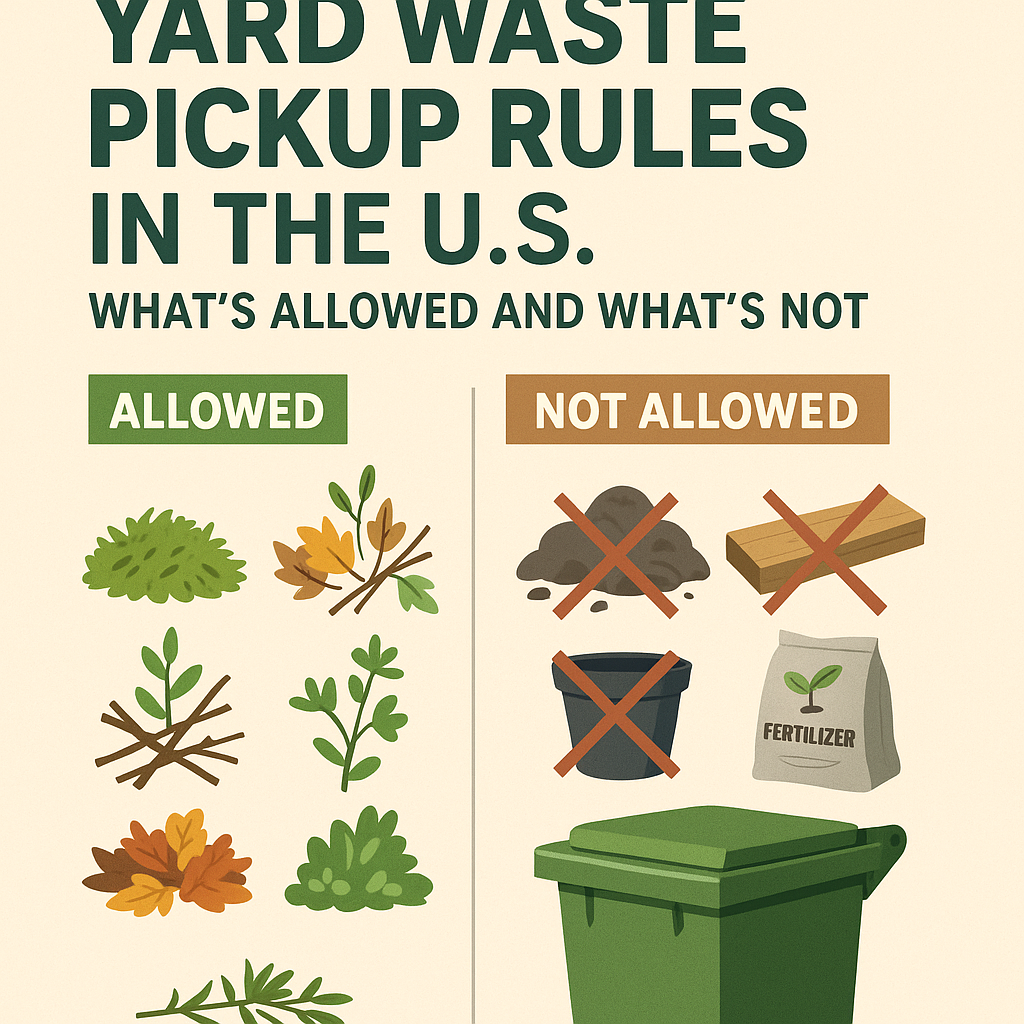
Common examples include:
- Leaves
- Grass clippings
- Small branches and twigs
- Garden trimmings
- Bush and hedge cuttings
These materials are usually collected separately from regular trash.
What Is NOT Considered Yard Waste
Most cities do not consider the following items yard waste:
- Dirt, soil, or rocks
- Treated or painted wood
- Lumber or fencing
- Tree stumps
- Food waste
- Pet waste
Putting these items in yard waste bins often results in rejected pickup.
How Yard Waste Pickup Works in the US
In most cities, yard waste pickup works in one of three ways:
- Separate curbside yard waste pickup
- Combined yard waste and compost programs
- Seasonal collection only
Understanding which system your city uses is essential when following yard waste pickup rules in the US.
Yard Waste Pickup vs Regular Trash Pickup
Yard waste differs from regular trash in several ways:
| Yard Waste | Regular Trash |
|---|---|
| Organic material | Household waste |
| Often seasonal | Year-round |
| Special prep rules | Standard bins |
| Separate pickup | Weekly pickup |
Mixing yard waste with trash can result in missed collection.
Bag Requirements for Yard Waste Pickup
Most cities require yard waste to be placed in:
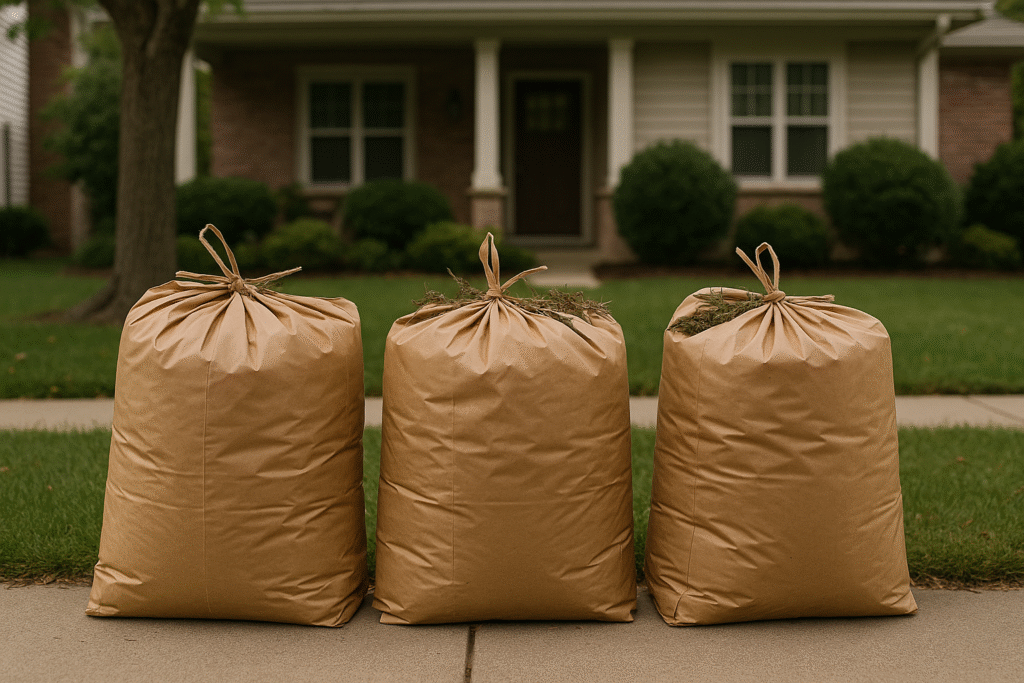
- Paper yard waste bags
- Reusable yard waste containers
Plastic bags are usually not allowed, even if biodegradable.
Bag requirements are one of the most commonly enforced yard waste pickup rules in the US.
Bundling Rules for Branches and Limbs
Branches often must be:
- Bundled with twine (not wire)
- Cut to a specific length (commonly 3–4 feet)
- Limited in diameter
- Placed neatly at the curb
Failure to bundle branches properly is a top reason for rejected yard waste.
Size and Volume Limits
Cities often limit:
- Number of bags per pickup
- Weight per bag or bundle
- Size of branch bundles
Exceeding limits may require:
- Multiple pickups
- Drop-off at yard waste facilities
- Special scheduling
Seasonal Yard Waste Pickup Rules
Many cities only collect yard waste during certain months, often:
- Spring through fall
- Peak leaf season
- Scheduled cleanup periods
Winter yard waste pickup is uncommon in colder regions.
Seasonality is a key factor in yard waste pickup rules in the US.
Leaf Collection Programs
Some cities offer special leaf pickup programs:
- Loose leaf collection
- Vacuum collection
- Designated leaf weeks
These programs usually have strict timing and placement rules.
Yard Waste Pickup for Apartments and HOAs
If you live in:
- An apartment complex
- A condo
- An HOA-managed neighborhood
Yard waste pickup may be:
- Handled by private landscapers
- Restricted to drop-off
- Not offered curbside
City yard waste rules may not apply.
Composting vs Yard Waste Pickup
Some cities offer composting programs that accept:
- Food scraps
- Yard waste
- Compostable materials
Yard waste pickup programs typically do not accept food waste unless specifically stated.
What Happens If Yard Waste Is Put Out Incorrectly?
If yard waste is prepared incorrectly:
- Pickup may be skipped
- Warning notices may be issued
- Materials may need to be removed
- Fines may apply in some cities
Understanding yard waste pickup rules in the US helps avoid these problems.
How Yard Waste Rules Vary by City
Yard waste rules vary based on:
- Climate
- Local composting facilities
- Environmental regulations
- Budget and staffing
This is why local rules always override general guidance.
How to Find Yard Waste Pickup Rules in Your City
The fastest ways to check:
- City sanitation or public works websites
- Yard waste or composting pages
- Seasonal service announcements
- Customer service contacts
Many cities update yard waste rules multiple times per year.
Tips to Prepare Yard Waste Correctly
- Use approved paper bags
- Bundle branches properly
- Follow seasonal schedules
- Keep yard waste separate from trash
- Check limits before large cleanups
Why Yard Waste Pickup Rules Matter
Proper yard waste handling:
- Keeps compost streams clean
- Prevents contamination
- Reduces landfill use
- Supports local recycling efforts
Following yard waste pickup rules in the US benefits both residents and municipalities.
Frequently Asked Questions
Is yard waste the same as compost?
Not always. Composting programs may accept more materials.
Can I use plastic bags for yard waste?
Usually no.
Is yard waste collected year-round?
Depends on the city and climate.
What happens if my yard waste is rejected?
It may be left behind or require re-preparation.
Where can I find local yard waste rules?
On your city’s sanitation website.
Pingback: Yard Waste Pickup: Bags, Bundles & Seasonal Rules Explained - Trash Pickup Schedule Day