
Most people believe that recycling is just a matter of putting “blue-bin stuff” into the blue bin and waiting for the truck to come. In reality, recycling in the United States is much stricter than most people realize.
In many cities today, recycling trucks don’t just blindly collect whatever is left at the curb. They inspect bins, sometimes quickly, sometimes with cameras, and if the contents don’t meet local standards, the entire bin can be left behind.
And here’s the most frustrating part:
Many people don’t even realize they’ve made a mistake until their bin sits there — full — for another week.
If you’ve ever had your recycling rejected (or you’re trying to avoid that moment), this guide will walk you through the most common recycling mistakes in 2025 and exactly how to avoid them.
Why Recycling Bins Get Rejected in the First Place
The biggest misunderstanding about recycling is thinking that it’s just a courtesy service.
It isn’t.
Recycling is a carefully controlled system. Materials go to specialized facilities that are designed only to handle very specific items. When the wrong materials are mixed in, entire machines can break down, workers can be hurt, and thousands of pounds of otherwise recyclable products can end up in landfills.
That’s why many U.S. municipalities now follow a simple rule:
If a bin contains too many mistakes, the whole bin gets rejected.
That might sound harsh, but it’s actually the only way to make recycling truly work long-term.
Mistake #1 – Recycling Dirty or Greasy Items
This is the #1 reason recycling bins are rejected.
Even if something is technically recyclable, it becomes unacceptable if it is:
- Covered in food
- Soaked in oil
- Stained with sauce
- Filled with liquid
- Contaminated with dirt or chemicals
Common examples:
- Greasy pizza boxes
- Peanut butter jars with leftover residue
- Yogurt containers not rinsed
- Saucy takeout boxes
- Soda cups with liquid inside
Why is this a problem?
Because one dirty item can spread contamination to dozens of clean, recyclable items inside the same bin.
If you can’t easily rinse it clean in 5 seconds, it probably belongs in the trash.
Mistake #2 – Putting Plastic Bags in the Recycling
This one surprises people the most.
Plastic bags almost NEVER belong in curbside recycling.
That includes:
- Grocery bags
- Bread bags
- Ziplock bags
- Plastic film wrap
- Bubble wrap
- Packaging pillows
These soft plastics get tangled in machines and cause serious damage at recycling facilities. In many cities, just seeing bags inside your bin is enough for automatic rejection.
If you want to recycle plastic bags, you usually need to take them to a specific store drop-off location, not use your home recycling bin.
Mistake #3 – Mixing Yard Waste with Recycling
Another major reason for rejection is mixing yard waste into the recycling bin.
Leaves, branches, grass, and garden debris DO NOT belong in recycling, even though they are “natural”.
They are handled in a completely separate system and often turned into:
- Compost
- Mulch
- Soil material
Never mix:
- Leaves
- Grass
- Sticks
- Soil
with your blue recycling bin.
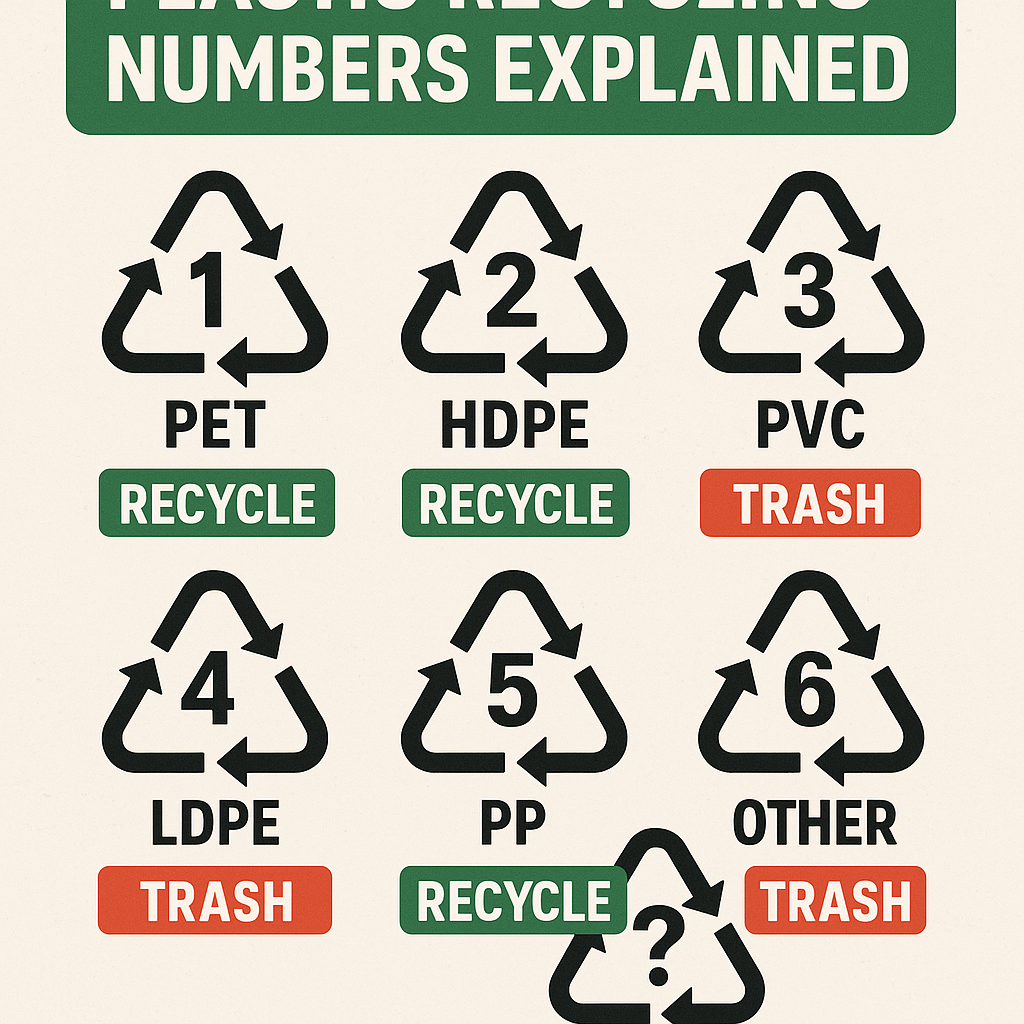
Mistake #4 – Throwing in Non-Recyclable Plastics
Not all plastics are recyclable in normal curbside programs.
Things people mistakenly put in recycling all the time:
- Plastic cutlery
- Straws
- Styrofoam containers
- Chip bags
- Candy wrappers
- Toys
- Hangers
- Toothbrushes
Even when these items are made of plastic, their shape or composition is not accepted by standard sorting facilities.
This is known as “wish-cycling” — hoping something can be recycled instead of checking the rules.
Unfortunately, wish-cycling does more harm than good.
Mistake #5 – Overfilling the Recycling Bin
If the lid of your recycling bin does not close, that’s a problem.
Overflowing bins:
- Spill into the street
- Get mixed with trash
- Attract pests
- Block pickup machines
- Are often rejected
If you have too much material for your bin, you should:
- Break down and flatten cardboard
- Hold excess for the following week
- Use a second approved container (if allowed by your city)
Better yet, reduce packaging waste by being more aware of what comes into your home.
Mistake #6 – Putting the Bin Out Incorrectly
Even if the contents are perfect, the bin can still be rejected because of incorrect placement.
Common mistakes:
- Placed too close to a wall or pole
- Placed behind a parked car
- Lid not facing the street
- Too close to another bin
- On uneven surface
Most cities recommend:
✔ 2–3 feet of space around the bin
✔ Opening facing the street
✔ Placed the night before pickup
Mistake #7 – Not Checking Local Rules
This is the one most people overlook.
Every city has slightly different recycling rules. Something that is allowed in one city can be rejected in another.
Some cities accept:
✅ Glass
✅ Cartons
✅ Aluminum foil
Others do not.
That’s why you should always check your exact city guidelines. The easiest way to do that is using:
It directs you to your official local source in seconds.
What Happens When a Bin Gets Rejected?
If your recycling bin is rejected, you might experience:
- A sticker left on your bin
- A warning notice in your mailbox
- No pickup at all
- Required re-sorting
- Fines (in some cities)
Some recycling trucks even have cameras that record the contents and automatically flag addresses that repeatedly violate the rules.
That’s how serious cities are taking this.
How to Avoid Rejection (Simple Checklist)
Before you put your recycling bin out, just ask yourself:
✅ Is everything clean?
✅ Is there any plastic bag inside?
✅ Is there food residue?
✅ Is there yard waste?
✅ Is the lid closed?
✅ Is the bin placed correctly?
If the answer to all is good, you’re doing it right.
This simple habit alone can reduce rejection risk by 90%.
What to Do If You Keep Getting Rejected
If your bin is repeatedly rejected:
- Check your city’s recycling website
- Look for a “What Goes Where” guide
- Call the sanitation department
- Ask for a recycling inspection
- Confirm accepted items
Because many problems come from confusion between those two categories.
Recycling Is Not About Perfection
Let’s be clear about one thing.
Recycling does not require perfection.
It requires awareness and effort.
If you:
- Learn the rules
- Follow the guidelines
- Avoid the biggest mistakes
Then you are already doing more than the majority of people.
And that’s exactly what matters.
Final Thoughts
Getting your recycling bin rejected feels frustrating and sometimes embarrassing. But in most cases, it happens because nobody ever explained the rules clearly.
Now you know the biggest mistakes and how to avoid them.
From today on, every time you walk out to your bin, you won’t feel confused — you’ll feel confident.

Pingback: How to Reduce Household Trash by 50% Without Changing Your Lifestyle - Trash Pickup Schedule Day