Bulk Pickup: Rules, Item Limits, and Scheduling
Large furniture, broken appliances, and old mattresses don’t fit inside your regular trash bin — that’s where bulk pickup comes in.
Every U.S. city has its own rules for collecting oversized items, and knowing them can save you time, fines, and frustration.
This complete guide explains what you can (and can’t) put out, how to schedule a bulk pickup, and a few tips to make the process smooth and penalty-free.
🛋️ What Counts as Bulk Trash
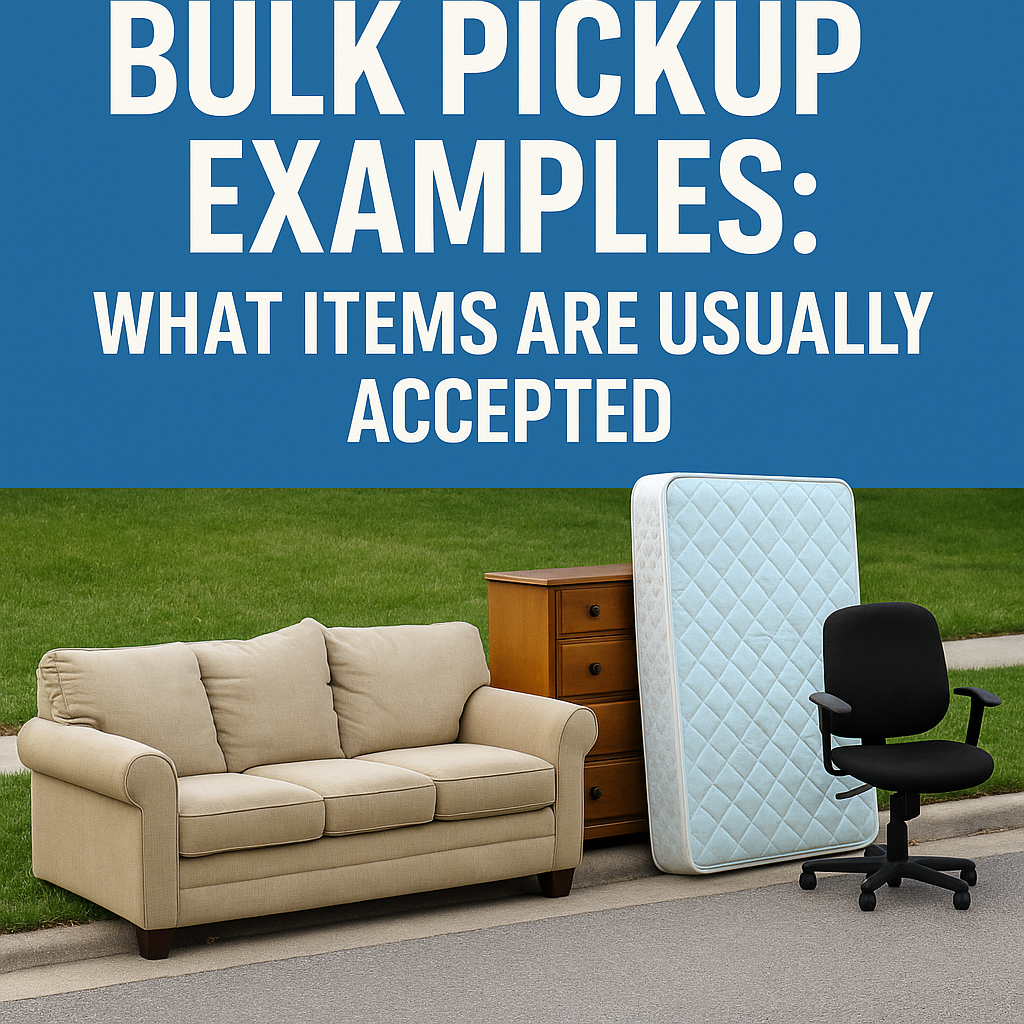
“Bulk trash” refers to large household items too big for your regular garbage container. Typical examples include:
- Furniture (sofas, chairs, tables)
- Mattresses and box springs
- Carpets and rugs (rolled and tied)
- Large plastic toys
- Non-commercial scrap wood or metal
- Small household appliances (without refrigerants)
However, not everything large qualifies. Construction debris, remodeling waste, and hazardous materials are not accepted in most bulk collections.
If you’re renovating, those materials must go to an approved waste transfer station or private hauler.
🚫 Items Commonly Not Accepted
Each city publishes a detailed list, but generally, the following are not allowed in curbside bulk pickup:
- Paint, solvents, and chemicals
- Tires or automotive parts
- Electronics (TVs, computers, printers)
- Refrigerators, freezers, or AC units with refrigerants
- Commercial or construction debris
- Yard waste (unless combined with a specific “bulk & brush” collection)
If you’re unsure, check your city’s official site or use our resource:
👉 Find Your City and select Bulk Pickup Rules for local details.
💰 Item Limits and Fees
Most cities limit how many items you can place out at once.
Typical limits are:
- 3 to 5 large items per collection
- Weight limit: 200–400 lbs total
- Mattresses: must be wrapped in plastic to prevent contamination
If you exceed these limits, expect:
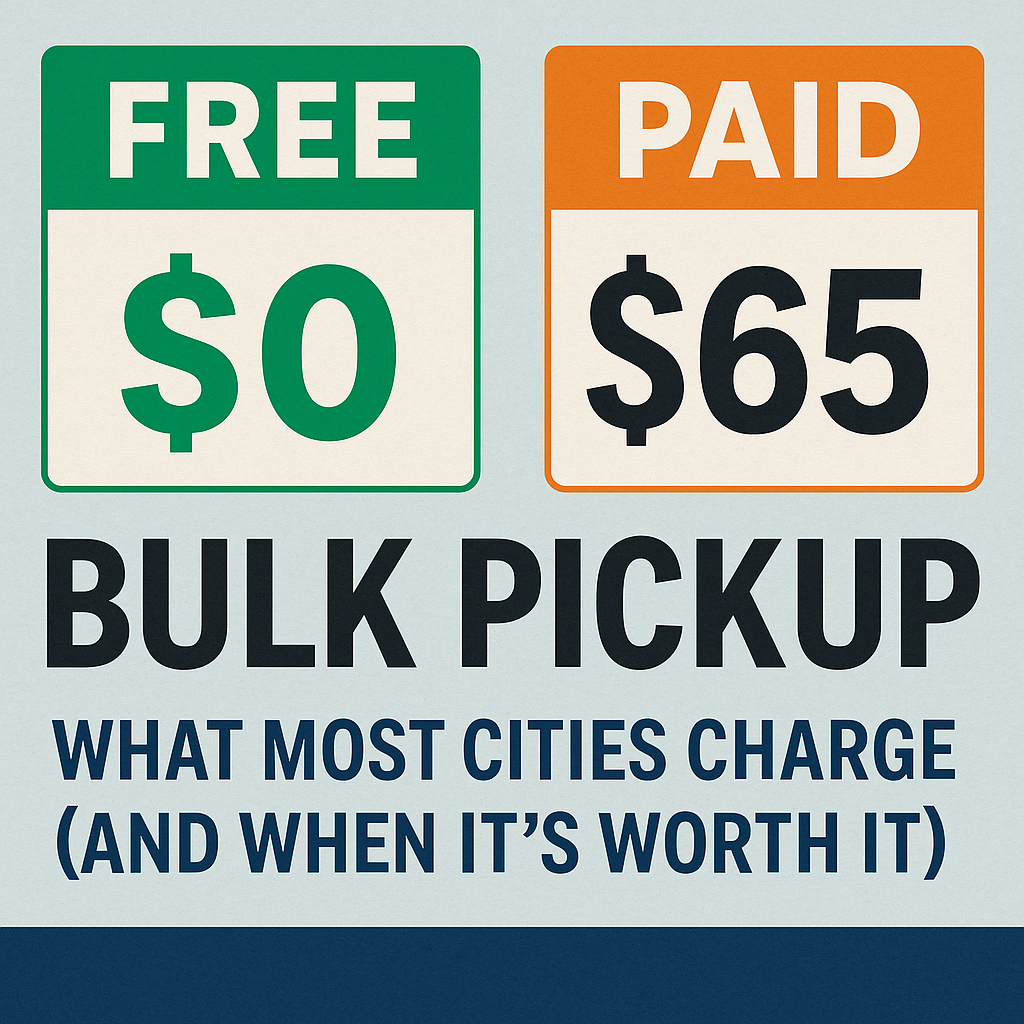
- Extra item fees ($10–$25 per item)
- Rejected pickup (crew leaves it behind)
- Or in rare cases, code enforcement fines
🟢 Pro tip: If you have a lot to dispose of, call your local sanitation department to request an extra pickup or find the nearest drop-off center.
📅 How to Schedule a Bulk Pickup
Most cities require residents to schedule their bulk pickup in advance — it’s no longer “put it out and hope.” Here’s how:
- Go to your city’s official sanitation page or use TrashPickupScheduleDay.com → Find Your City.
- Enter your address to confirm eligibility.
- Select an available date for collection.
- List your items accurately. Crews need to know what to expect (e.g., “1 couch, 1 dresser”).
- Confirm and print or save your confirmation number.
Some cities offer monthly routes, while others use an on-demand system where you must book online or by phone.
🧹 Curbside Preparation Checklist
Getting ready properly makes the difference between a successful pickup and a failed one.
✅ Do:
- Place items at the curb no earlier than 24 hours before pickup.
- Keep items away from mailboxes, cars, and fire hydrants.
- Bundle wood and carpets securely.
- Separate metal from wood if possible.
- Remove doors from refrigerators or cabinets.
🚫 Don’t:
- Block sidewalks or driveways.
- Mix bulk trash with bagged garbage.
- Leave items on vacant lots — this can lead to illegal dumping fines.
If you have multiple neighbors with large items, coordinate your pickups so everything fits safely on the curb.
🧯 Special Cases: Mattresses, Electronics & Appliances
Mattresses:
In most states, mattresses must be sealed in plastic to prevent the spread of bedbugs or mold. If left uncovered, the city may refuse pickup.
Electronics:
Some cities collect small electronics, but many require residents to drop them off at e-waste events or recycling centers.
Appliances (White Goods):
Anything that once contained refrigerant (like a fridge or AC unit) must be certified as drained before pickup.
Cities often require you to schedule a separate appliance collection or remove the doors for safety.
🗑️ Alternatives to City Bulk Pickup
If your items aren’t accepted, there are still smart ways to get rid of them responsibly.
- Drop-Off Locations:
Most cities operate public waste centers where you can drop off furniture, scrap metal, or appliances for a small fee. - Donation Programs:
Organizations like Habitat for Humanity ReStores and Goodwill often accept gently used furniture and appliances. - Private Junk Removal:
Companies like 1-800-GOT-JUNK or LoadUp can pick up almost anything for a fee — ideal for tight deadlines. - Recycling Events:
Many cities hold monthly “clean-up days” for large electronics, tires, or mattresses.
🧾 Avoiding Common Mistakes
- Not checking item limits → overloading leads to rejection.
- Putting items out too early → can result in fines or neighborhood complaints.
- Leaving items in alleys → often considered illegal dumping.
- Not wrapping mattresses → guaranteed refusal.
Always read your city’s “Bulk Collection Policy” page before putting anything out.
🌟 Environmental Impact
Every item you properly dispose of helps reduce illegal dumping and keeps neighborhoods clean.
Many cities recycle bulk waste — metal, wood, and even mattresses can be processed and reused. By following the rules, you help extend landfill life and support community sustainability.
Learn more in our Recycling Guide and discover how materials from bulk items are repurposed.
❓ Frequently Asked Questions
Can I put mattresses out for bulk pickup?
Yes, but they must be wrapped in plastic. Uncovered mattresses are often left behind for health reasons.
Are appliances or electronics accepted?
Only if your city explicitly allows it. Fridges and AC units require refrigerant removal, and electronics may need to be dropped off separately.
Do I need to schedule bulk pickup, or can I just leave items out?
Most cities now require advance scheduling to keep neighborhoods tidy and prevent illegal dumping.
How often can I schedule bulk pickup?
Usually once per month, but some cities allow on-demand scheduling depending on capacity.
📣 Final Call-to-Action
Before placing anything on the curb, double-check your local rules.
👉 Find Your City’s Bulk Pickup Guidelines
Enter your city name to see item limits, accepted materials, and how to book your pickup instantly.