
If you’ve ever looked around your home and noticed an old couch, a broken dresser, or a worn-out mattress taking up space, chances are you’ve asked yourself:
“How do people get rid of things like this?”
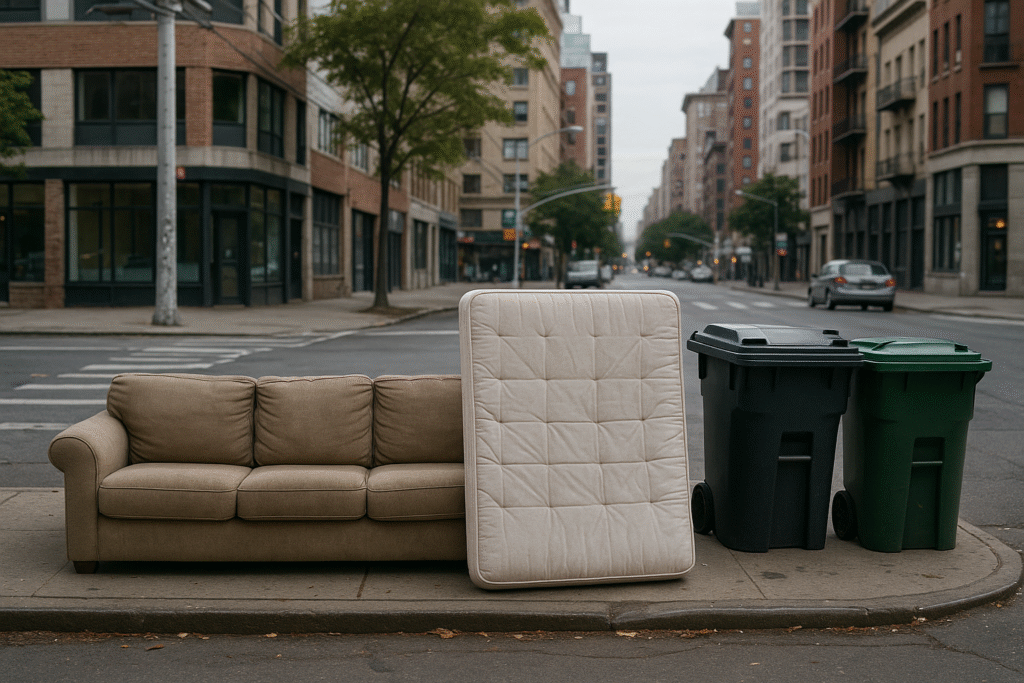
These items are too big for your regular trash bin, they don’t belong in your recycling container, and most cities won’t take them on a normal pickup day. This is exactly where bulk pickup services come into play.
Bulk pickup is designed for large, heavy, oversized household items that don’t fit into your normal waste system. But while many people know that it exists, very few people know what is actually accepted during a bulk pickup — and what will get left sitting on the curb.
This guide will show you clear, real-world examples of items that are usually accepted (and rejected) in bulk pickup in most U.S. cities in 2025.
What Is Considered “Bulk Waste”?
Bulk waste refers to large household items that:
- Cannot fit into a standard trash bin
- Are too heavy for normal collection
- Require special handling
- Are not hazardous materials
These are typically items that build up over time in homes, garages, and storage rooms.
Bulk pickup is usually available:
- Once per month
- Once per quarter
- On-request (by scheduling online or by phone)
✅ Bulk Items That Are Usually Accepted
While exact rules vary slightly from city to city, these items are almost always accepted in bulk pickup:
Furniture
- Sofas & couches
- Mattresses & box springs
- Chairs
- Dressers
- Bed frames
- Tables & desks
- Bookshelves
These are actually the most common bulk items collected in the U.S.
Tip: Some cities ask you to wrap mattresses in plastic to prevent spores and allergens from spreading.
Large Household Items
- Broken vacuum cleaners
- Old fans
- Small cabinets
- Luggage
- Cribs
- Playpens
- Broken baby furniture
As long as the item is not hazardous, it usually qualifies.
Broken Appliances (Sometimes Called “White Goods”)
In many cities, the following can be included in bulk pickup:
- Washing machines
- Dryers
- Ovens
- Stoves
- Dishwashers
- Microwaves
- Refrigerators / Freezers (doors removed)
Note: Some appliances containing refrigerants may require special pickup or fees.
❌ Items That Are NOT Accepted in Bulk Pickup
People often assume “bulk” means anything big — but this is not true.
These items are usually rejected during bulk pickup:
- Paint cans
- Motor oil
- Gasoline or fuel containers
- Chemicals / fertilizers
- Batteries (especially car batteries)
- Tires (in many states)
- Medical waste
- Construction debris (bricks, concrete, drywall)
- Large quantities of soil or sand
These items are considered hazardous or industrial waste and are handled through separate programs.
What About Yard Waste in Bulk Pickup?
Yard waste is a very common source of confusion.
Items like:
- Leaves
- Grass
- Branches
- Garden debris
Do NOT belong in bulk pickup in most cities.
They are handled through a completely different process, which you can see here:
If you mix yard waste with bulk items, there is a high chance nothing will be picked up.
Where Should You Place Bulk Items?
Placement matters greatly during bulk pickup.
Most cities require that bulk items are placed:
- On the curb in front of your property
- At least 3 feet away from bins
- At least 5 feet away from mailboxes or hydrants
- No later than the night before pickup
Items placed:
- On the sidewalk
- In the middle of the street
- Behind fences
- Next to parked cars
are very likely to be skipped.
Do You Need To Schedule Bulk Pickup?
That depends on where you live.
Some cities have:
✅ Automatic scheduled bulk days
✅ Monthly bulk collection by zone
✅ Assigned bulk pickup weeks
✅ Appointment-based service only
In many major cities (Los Angeles, Phoenix, Houston, Dallas, etc.) you must schedule it online first.
Should You Consider Donating Instead?
If your item is still in decent condition, consider donation before disposal.
Good candidates for donation:
- Sofas with no damage or stains
- Dressers in good condition
- Tables without structural damage
- Working appliances
- Lightly used mattresses (in some areas)
Organizations that may accept them:
- Goodwill
- Salvation Army
- Habitat for Humanity
- Local shelters
Donating reduces waste AND helps people in need. It’s a win on both sides.
How Bulk Pickup Connects to Regular Trash
A common mistake is leaving large items next to your trash or recycling bin on a normal day.
Unfortunately, the regular truck will not touch them. Different trucks, different teams, different rules.
So remember:
| Trash & Recycling | Bulk Pickup |
|---|---|
| Bags & small waste | Large items |
| Weekly schedule | Monthly or on-demand |
| Small bins | Large items |
| Handled automatically | Often requires scheduling |
What if Your Bulk Item Was Not Picked Up?
This happens more than people expect.
Possible reasons:
- It was placed on the wrong day
- It wasn’t scheduled
- It contained prohibited items
- It was blocking something
- The size exceeded limits
Many cities use the same reporting system.
Real-Life Examples (So You’re 100% Clear)
✅ Accepted:
- Old sofa
- Broken bookshelf
- Mattress with stains
- Dining table
- Child’s broken bike
- Old barbecue grill (without tank)
- Rolling office chair
❌ Rejected:
- Paint drums
- Ten bags of grass
- Construction bricks
- Buckets of concrete
- Car engine
- Piles of dirt
If you’re unsure, just ask yourself this:
“Would I want this in a landfill or is this dangerous?”
That usually gives you the answer.
Final Thoughts
Bulk pickup is one of the most useful services offered by U.S. cities, yet it’s one of the most misunderstood.
Once you understand what is accepted, what is not, and how the system works, you can:
- Clean up your home
- Get rid of clutter
- Improve your space
- Avoid fines and waste
And the next time someone asks
“How do I get rid of this old couch?”
You’ll know exactly what to say.
Pingback: How to Schedule a Bulk Pickup in Your City (Step-by-Step Guide) - Trash Pickup Schedule Day
Pingback: What To Do If Your Trash Was Never Picked Up (Step-by-Step) - Trash Pickup Schedule Day
Pingback: Yard Waste vs Regular Trash: Key Differences You Need to Know - Trash Pickup Schedule Day