Yard Waste Pickup: Rules and Seasonal Collection
When the leaves start to fall or the lawn grows faster than you can mow, you’ll eventually face a familiar question: What do I do with all this yard waste?
Across the U.S., most cities offer dedicated yard waste pickup programs — but each has its own set of rules about bags, bundles, and seasonal limits.
In this guide, we’ll explain what qualifies as yard waste, how to prepare it correctly for pickup, and what to do if your collection season has ended.
🌿 What Counts as Yard Waste
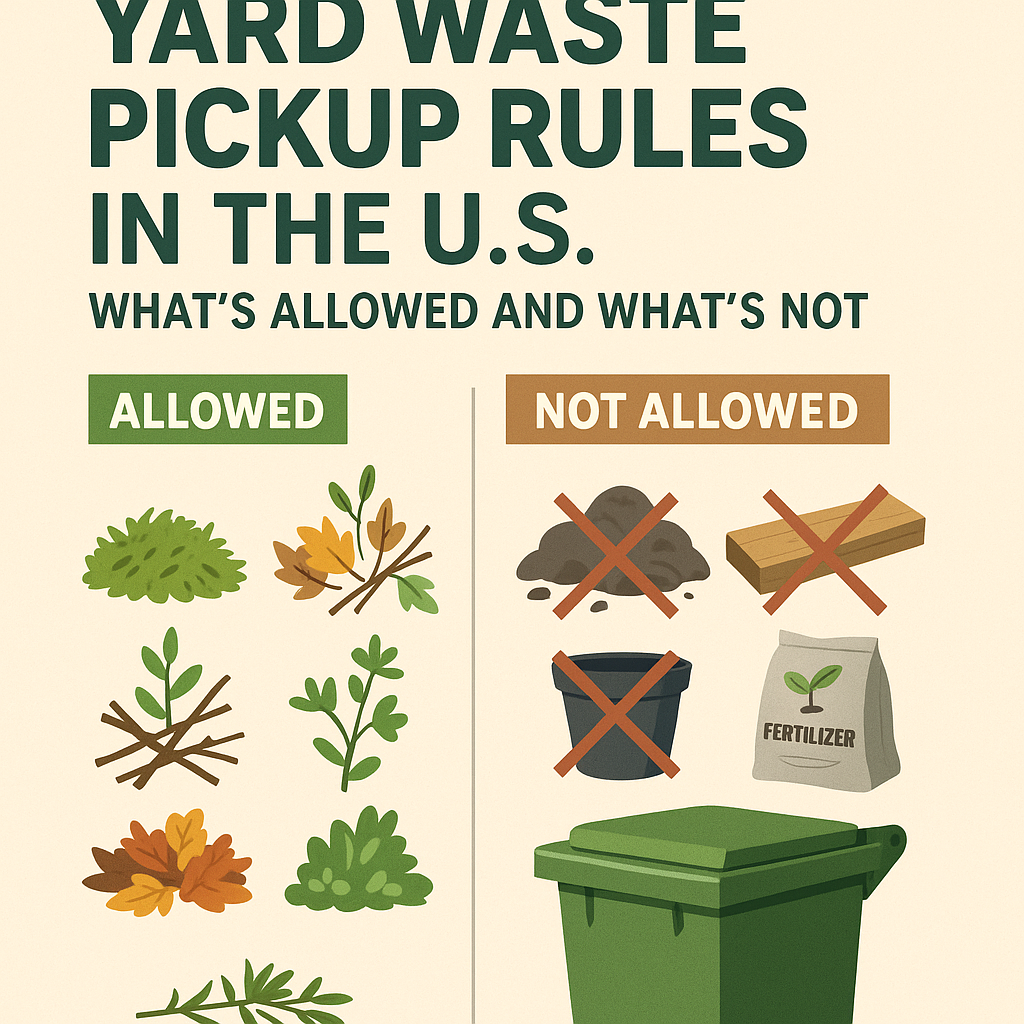
Yard waste, also known as green waste or organic debris, typically includes:
- Grass clippings
- Leaves and pine needles
- Branches, twigs, and small sticks
- Garden plants and flowers
- Shrubs or hedge trimmings
These materials are considered organic because they can be composted.
However, dirt, sod, rocks, mulch, and animal waste are not accepted as yard waste. These materials must go into the regular trash or be taken to a landfill.
🧺 Approved Bags and Containers
Cities are very specific about what kind of bags or bins can be used for yard waste.
Using the wrong type can cause your entire pile to be skipped.
✅ Accepted Options:
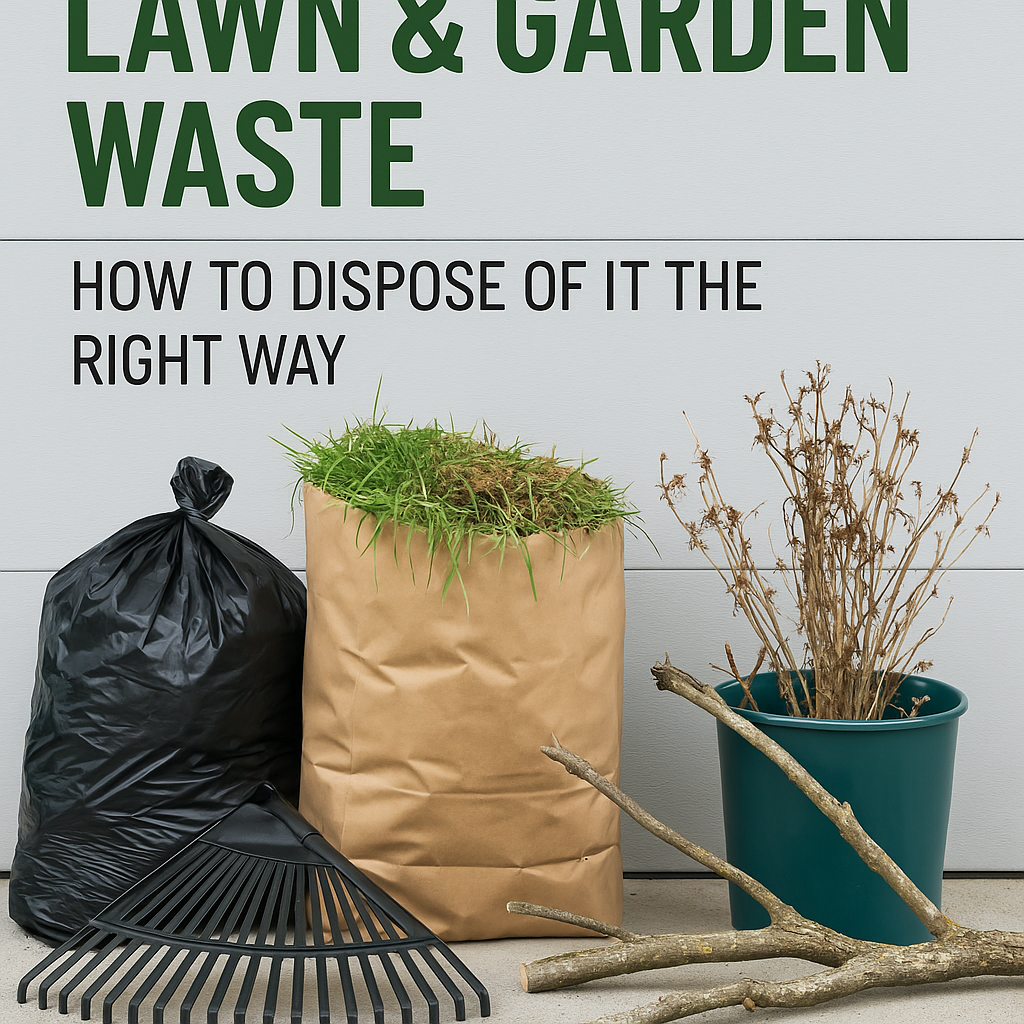
- Paper Yard Waste Bags – Strong, biodegradable, and the preferred option in most cities.
- Reusable Containers – Marked “Yard Waste Only,” typically with a special sticker provided by your city.
- Compostable Bags – Only if they meet ASTM D6400 standards (check the logo).
🚫 Not Accepted:
- Plastic trash bags (they contaminate composting facilities)
- Cardboard boxes (they fall apart when wet)
Tip: Always leave bags open or loosely rolled so crews can see the contents.
🌳 How to Bundle Branches
Branches, limbs, and sticks must be cut and tied for safe pickup.
Here are the common standards:
- Length: Maximum 4 feet (1.2 m)
- Diameter: No thicker than 3 inches
- Bundle weight: Under 40–50 lbs
- Tied with: Natural twine or rope (no wire or plastic ties)
Bundles should be placed neatly at the curb, separate from bags. If they exceed size or weight limits, crews may leave them behind.
📅 Seasonal Collection Rules
Many cities only collect yard waste from April through December, pausing during winter months.
Here’s what you need to know:
- Spring Season (April–June):
Focuses on yard cleanups, tree trimming, and early mowing. Expect higher pickup volumes. - Summer Season (July–September):
Weekly or biweekly service, depending on your city’s schedule. - Fall Season (October–December):
Leaf collection is the busiest period; some cities run special “Leaf-Only” routes. - Winter (January–March):
Most yard waste collection stops due to snow and frozen ground. Residents must store or drop off waste.
You can always verify your city’s exact start and end dates through TrashPickupScheduleDay.com → Find Your City.
🍂 Leaf Pickup Programs
In the fall, cities often offer dedicated leaf collection weeks.
Depending on your location:
- You may be asked to rake leaves to the curb (for vacuum collection).
- Or to bag leaves in paper bags and place them curbside.
Avoid mixing leaves with branches or trash — it can cause equipment jams.
🧭 Compost and Drop-Off Options
If you miss curbside pickup or have more than the limit, you still have options.
Drop-Off Centers:
Most cities operate compost or yard waste drop-off sites.
Check for:
- Free dumping days for residents.
- Weight or volume limits.
- Accepted materials (some only take leaves and grass).
Composting at Home:
You can easily start a backyard compost bin with:
- 2 parts brown material (dry leaves, twigs)
- 1 part green material (grass clippings, fruit scraps)
- Occasional mixing and watering.
Home composting not only reduces waste but creates free fertilizer for your garden.
♻️ Why Yard Waste Recycling Matters
When yard waste is composted instead of landfilled, it becomes valuable organic matter instead of methane-producing garbage.
Environmental benefits:
- Reduces greenhouse gas emissions.
- Saves landfill space.
- Produces nutrient-rich compost used in parks and gardens.
Cities like San Francisco, Denver, and Minneapolis recycle over 70% of their yard waste — a model worth following.
💡 Tips for Easier Yard Waste Pickup
- Don’t overfill bags. They tear easily when wet.
- Store bags in a dry area until pickup day.
- Use paper bags only for dry materials. Wet grass or leaves can weaken the bag.
- Label reusable containers. A simple “Yard Waste Only” sticker avoids confusion.
- Avoid contamination. No food, plastic, or soil in the bag.
If your city offers compost bins, ask if you can get one at a reduced price — many municipalities subsidize them.
🚫 Common Mistakes to Avoid
- Using plastic bags → not compostable.
- Mixing yard waste with trash → entire pile rejected.
- Placing bags too early → rain damage or animal tearing.
- Ignoring seasonal limits → pickup suspended during winter.
Following these simple rules ensures a smooth collection every time.
❓ Frequently Asked Questions
Can I use plastic bags for yard waste?
No. Plastic bags are not compostable and are banned in most city yard waste programs. Use paper or compostable bags instead.
What months is yard waste collected?
Usually from April through December, but it varies by city. Check your local schedule for exact start and end dates.
Can I mix grass and branches in the same bag?
Only if your city allows it. Some require branches to be bundled separately.
What if I miss the last collection of the season?
Take your yard waste to a local compost drop-off site or hold it until pickup resumes in spring.
📣 Final Call-to-Action
Before you start bagging leaves or trimming trees, make sure you’re following the latest city rules.
👉 Find Your City’s Yard Waste Schedule
Enter your city to check pickup dates, limits, and approved containers.